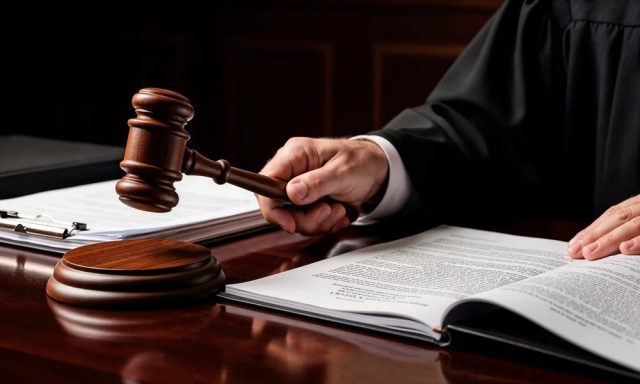
When and Why You Might Need a Reputation Management Lawyer
A single online post can change how others see you. A negative review, a misleading article, or an anonymous comment may appear suddenly and spread faster than expected.
For many people, the damage is not immediate but gradual. Opportunities disappear quietly, relationships become strained, and trust erodes without a clear explanation.
When online harm crosses from inconvenience into lasting personal or professional risk, legal guidance can become essential.
Understanding Reputation in the Digital Age
Reputation today is shaped largely by what appears online. Search engines, social media platforms, and review websites often serve as a first impression for employers, clients, and the public.
Unlike private conversations, online content can be:
- Permanently accessible
- Shared widely with little effort
- Difficult to correct or remove
This creates a unique challenge. Even inaccurate or outdated information can continue to influence decisions long after it should no longer matter.
A reputation management lawyer focuses on the legal tools available to address these risks. Their role is not public relations, but the application of law to protect an individual’s or organization’s good name.
Common Situations Where Legal Help Is Needed
Many people assume legal support is only necessary in extreme cases. In practice, reputation-related legal issues arise in everyday circumstances.
False or Defamatory Statements
Defamation occurs when false statements presented as fact harm someone’s reputation. This may include:
- False accusations of criminal behavior
- Fabricated professional misconduct
- Misleading news articles lacking factual support
For example, a business owner may discover a blog post falsely claiming fraud. Even if untrue, the allegation can damage customer trust.
A reputation management lawyer evaluates whether the statements meet the legal definition of defamation and advises on appropriate remedies, which may include takedown requests or court action.
Online Harassment and Smear Campaigns
Some cases involve repeated attacks rather than a single post. Anonymous accounts may publish harmful content across multiple platforms.
This behavior can cross legal lines, especially when it involves:
- Threats
- Persistent false statements
- Targeted harassment
Legal counsel can help identify responsible parties and determine whether laws related to harassment or cyberstalking apply.
Harmful Search Engine Results
Search results often combine accurate information with outdated or misleading content. An old lawsuit, dismissed charge, or resolved dispute may still appear prominently online.
While not all negative information is illegal, certain legal options may exist, particularly when content violates privacy laws or platform policies. A reputation management lawyer helps distinguish between what is unpleasant and what is unlawful.
Why Legal Knowledge Matters in Reputation Management
Online platforms provide reporting tools, but these systems are limited. Decisions are often automated, slow, or inconsistent.
Legal analysis adds clarity by focusing on:
- Applicable defamation standards
- Jurisdiction and venue
- Evidence requirements
- Enforceable remedies
Without legal guidance, individuals may unintentionally worsen the situation by responding publicly or making unsupported legal threats.
Working with a skilled reputation management lawyer allows for a structured approach grounded in law rather than emotion.
Legal Tools Used to Protect Reputation
Reputation management law draws from several established legal areas. Understanding these tools helps explain why specialized legal assistance is valuable.
Cease and Desist Letters
A cease and desist letter formally demands that harmful conduct stop. When drafted properly, it outlines:
- The false or unlawful behavior
- The legal basis for objection
- Consequences of continued action
Such letters are often effective when the publisher is unaware of the legal risks involved.
Court Orders and Injunctions
In serious cases, courts may issue orders requiring content removal or prohibiting further publication. These remedies are typically reserved for clear violations of law and require careful legal preparation.
Platform Policy Enforcement
Many online platforms prohibit defamation, impersonation, or harassment. Legal professionals understand how to frame complaints in a way that aligns with these policies while preserving legal rights.
Who Benefits Most from a Reputation Management Lawyer
While anyone can face online harm, certain groups are particularly vulnerable:
- Professionals whose careers depend on trust, such as doctors or consultants
- Business owners affected by false reviews
- Individuals involved in public disputes or litigation
- Private individuals targeted by viral misinformation
In these situations, early legal guidance can prevent long-term consequences.
Limits of Reputation Management Law
Not all negative content can be removed. Truthful statements, fair opinions, and lawful reporting are generally protected by free speech principles.
A reputation management lawyer helps set realistic expectations by explaining:
- What the law can address
- What falls outside legal protection
- Which strategies carry legal risk
This clarity prevents unnecessary conflict and focuses efforts where they are most effective.
Trusted Legal Information Resources
For readers interested in learning more about the legal principles involved, the following resources provide reliable, non-commercial information:
- The U.S. Courts overview of defamation law: https://www.uscourts.gov
- The Digital Media Law Project at Harvard University (now part of the Berkman Klein Center): https://cyber.harvard.edu
These sources explain legal standards in accessible language and provide helpful context.
Key Takeaways
Online reputation issues are no longer rare or limited to public figures. Ordinary individuals and businesses can face serious harm from false, misleading, or abusive content.
A reputation management lawyer brings legal structure to a problem often driven by emotion and uncertainty. By applying defamation law, privacy rules, and court procedures, they help protect reputations within the boundaries of the law.
Understanding when legal help is appropriate allows individuals to respond thoughtfully, preserving both their rights and their credibility.